
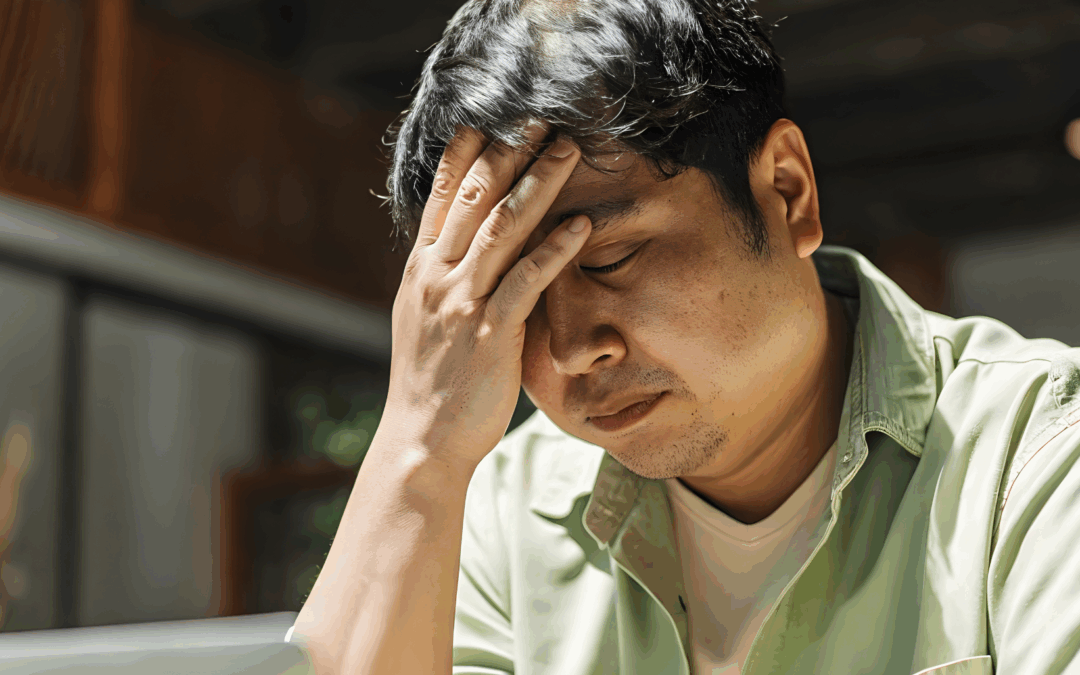
Let’s be real—burnout doesn’t show up out of nowhere.
It creeps in slowly, like a quiet leak in the roof. At first, you brush it off: I’m just tired, I just need a weekend to rest. But then the exhaustion doesn’t leave. The spark you once had fades, and even small tasks start to feel heavy.
Burnout happens when the demands of life, work, and stress pile up faster than you can recharge. It’s not just about being tired—it’s about being drained emotionally, mentally, and physically.
And here’s the good news: burnout is not a permanent sentence. With awareness, care, and support, you can heal. This isn’t about “pushing through” harder—it’s about learning how to listen to yourself, honor your limits, and build a life where you don’t just survive but actually thrive.
Let’s explore what burnout symptoms look like, how to recover, and the steps that can help you feel like yourself again.
How do you know if you’re burnt out?
First things first—burnout symptoms aren’t always obvious. Sometimes they disguise themselves as irritability, fatigue, or even boredom. Other times they’re so loud you can’t ignore them.
Here are some common burnout symptoms to watch for:
- Exhaustion that doesn’t lift – You wake up tired, even after sleep. Coffee doesn’t fix it. You feel like you’re moving through molasses.
- Emotional numbness – Instead of feeling motivated or engaged, you feel detached. Even things you used to enjoy feel flat.
- Irritability and cynicism – Small frustrations set you off. You may find yourself snapping at loved ones or rolling your eyes at work you once cared about.
- Decreased performance – Concentration slips. Deadlines feel impossible. You’re working longer hours but achieving less.
- Physical signs – Headaches, stomach issues, muscle tension, frequent colds. Burnout symptoms often show up in the body before the mind catches on.
The key difference between regular stress and burnout is duration and depth. Stress might flare up for a week before a big project. Burnout lingers for months, eating away at energy, joy, and self-esteem.
If you notice these burnout symptoms stacking up, it’s your body and mind waving a red flag: Something needs to change.
How do you recover from burnout?
Recovering from burnout takes time, patience, and compassion for yourself. You can’t “power through” burnout symptoms with the same hustle that caused them in the first place. Healing requires a shift.
Here’s what helps:
1. Pause and Acknowledge
The first step is recognizing that you’re not just “lazy” or “unmotivated.” You’re burnt out. Give yourself permission to slow down without guilt. Rest isn’t weakness—it’s medicine.
2. Address the Basics
Sleep, nutrition, and movement are non-negotiables. Start small: a consistent bedtime, a balanced meal, or a short daily walk. These basics rebuild the foundation your energy depends on.
3. Set Boundaries
If burnout symptoms are tied to work, it may mean limiting overtime, saying no to extra projects, or creating “off” hours where emails stay unread. Boundaries protect your energy.
4. Reconnect with Joy
Burnout makes life feel gray. Healing means adding color back in. Revisit hobbies, call a friend, listen to music, or spend time in nature. Small sparks of joy help reignite your sense of self.
5. Seek Support
Talk it out—with a therapist, coach, or trusted friend. Sometimes burnout symptoms ease simply by not carrying the weight alone.
6. Shift Your Mindset
Recovery is not about going back to “normal” but about creating a new normal that feels more sustainable. Ask yourself: What needs to change so this doesn’t happen again?
Burnout recovery isn’t linear. Some days you’ll feel energized; other days you’ll feel stuck. That’s normal. The goal isn’t perfection—it’s progress.
What are the five stages of burnout?
Understanding the stages of burnout can help you spot the warning signs earlier. Researchers often describe five stages:
- Honeymoon Stage
You start a new job, project, or routine full of excitement. Stress feels manageable, and you might even thrive on it. - Onset of Stress
The pressure builds. You notice early burnout symptoms: fatigue, irritability, trouble focusing. - Chronic Stress
Stress becomes the norm. You’re constantly anxious, your performance dips, and your health begins to suffer. - Burnout
This is the breaking point. Exhaustion, cynicism, and a sense of hopelessness dominate. You may feel like you have nothing left to give. - Habitual Burnout
If burnout goes unaddressed, it becomes chronic. You might feel permanently drained, struggle with depression, or withdraw socially.
Knowing these stages helps you catch burnout symptoms earlier—before they harden into stage four or five. The sooner you notice, the sooner you can intervene with rest, boundaries, and support.
What is the 42% rule for burnout?
The “42% rule” comes from a study showing that nearly 42% of workers report experiencing burnout symptoms at any given time. That means almost half of people around you are dealing with exhaustion, cynicism, or disengagement.
Why does this matter? Because burnout isn’t just a personal failing—it’s a cultural and systemic issue. When almost half the workforce is showing burnout symptoms, it tells us something about how we structure work and life.
The 42% rule is a reminder that you’re not alone. If you’re burnt out, you’re not broken—you’re human in a world that often asks too much.
And while we can’t always change the system overnight, we can change how we respond, how we care for ourselves, and how we support each other through burnout recovery.
Final Thoughts: Burnout Isn’t the End of Your Story
Burnout symptoms are your body’s way of saying, Enough. Slow down. Rebalance. They’re not a sign that you’ve failed—they’re a sign that something needs healing.
Here’s the truth: you don’t have to stay stuck in burnout. You can recover. You can rebuild. And you can come out of this with new wisdom about your limits, your needs, and your worth.
Remember:
Burnout doesn’t mean you’re weak—it means you’ve been strong for too long without enough rest.
Healing requires both self-care and structural change. Resting, setting boundaries, and asking for help are part of the process.
Burnout recovery is possible—and it can lead to a healthier, more sustainable way of living and working.
You are not alone in this. You are not defined by your exhaustion. And with each small step, each deep breath, and each choice to honor your wellbeing, you move closer to healing.
You’ve got this.
Get Started
You may call, text message, email, or fill out the form to reach us. We will respond within 48 hours, Monday through Friday.
We Will Help You Find Your Fit
We know that looking for a counselor can feel overwhelming.
We are here to help guide you to the counselor that is best for your needs. If that counselor turns out to
not be in our practice, that's okay. We know great counselors that we'd be happy to refer you to.
What’s most important to us is that you get connected with the help you need. We are here for you.